Jaipuri Cotton Kaftans: Prints, Fit & Free Size
By Indraprastha, Janpath · Updated 26 November 2026
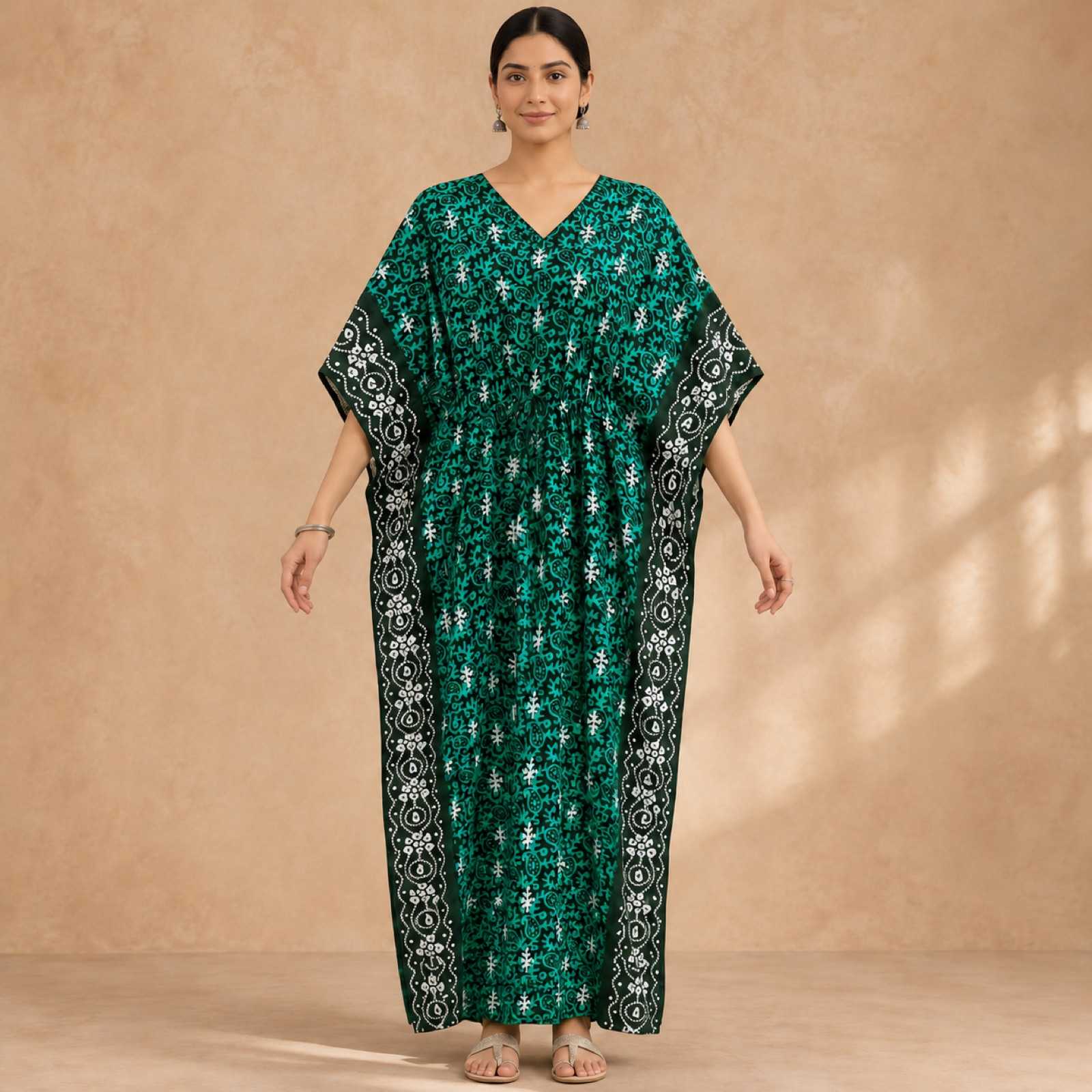
Jaipur has been known for hand-printed cotton for centuries, and a Jaipuri cotton kaftan is one of the easiest, coolest things to wear at home. Here's how to read the prints, what 'free size' means, and how to care for one.
The prints you'll see
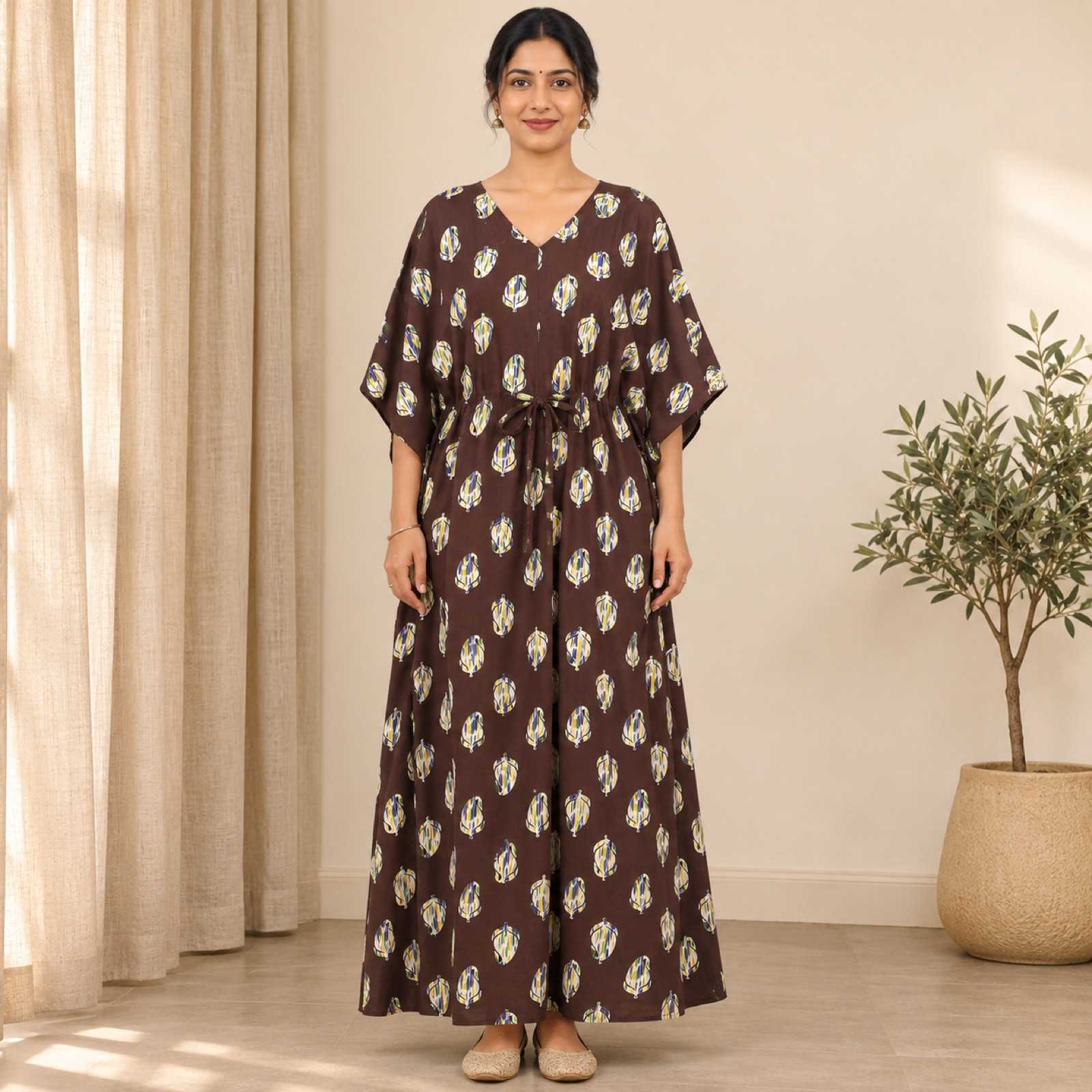
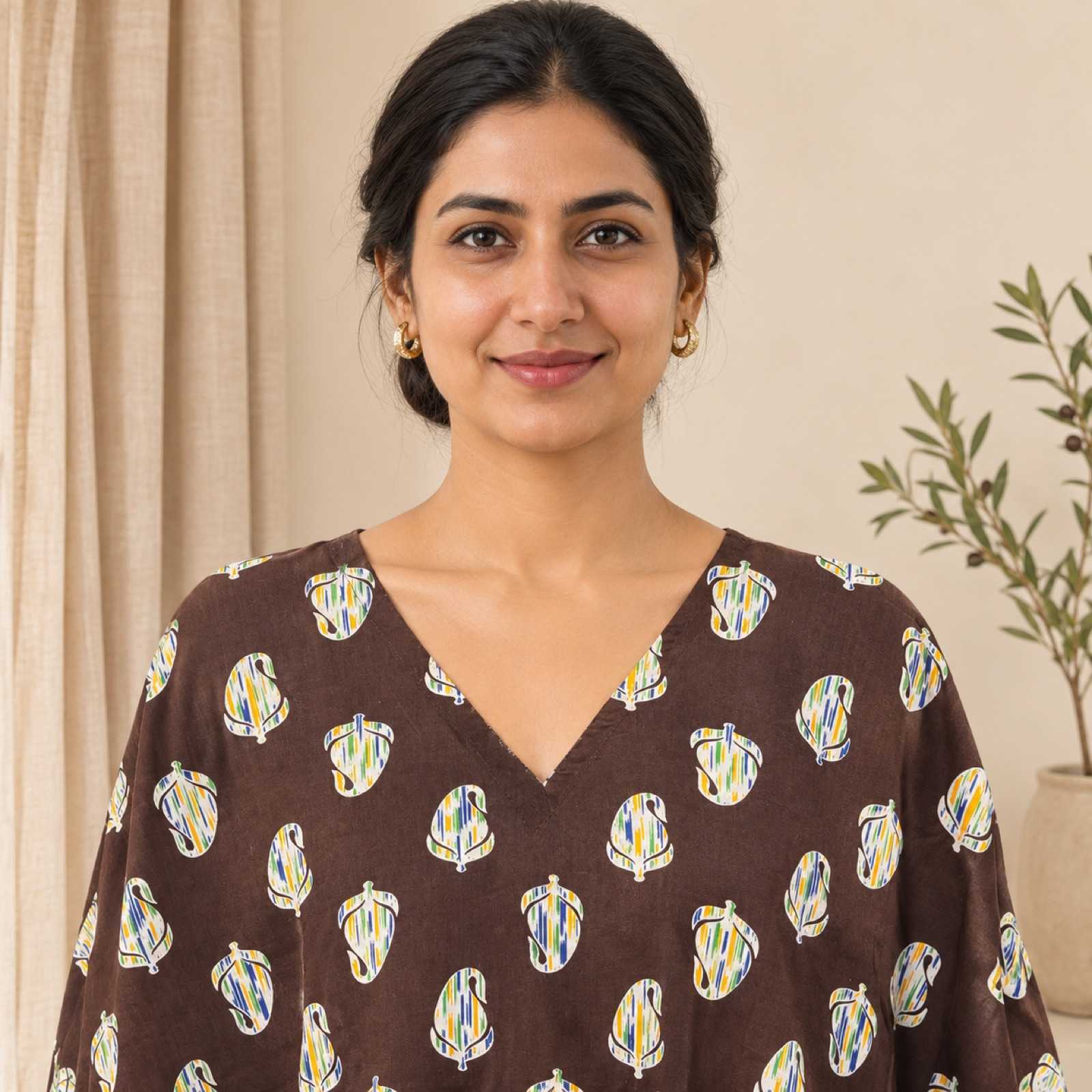
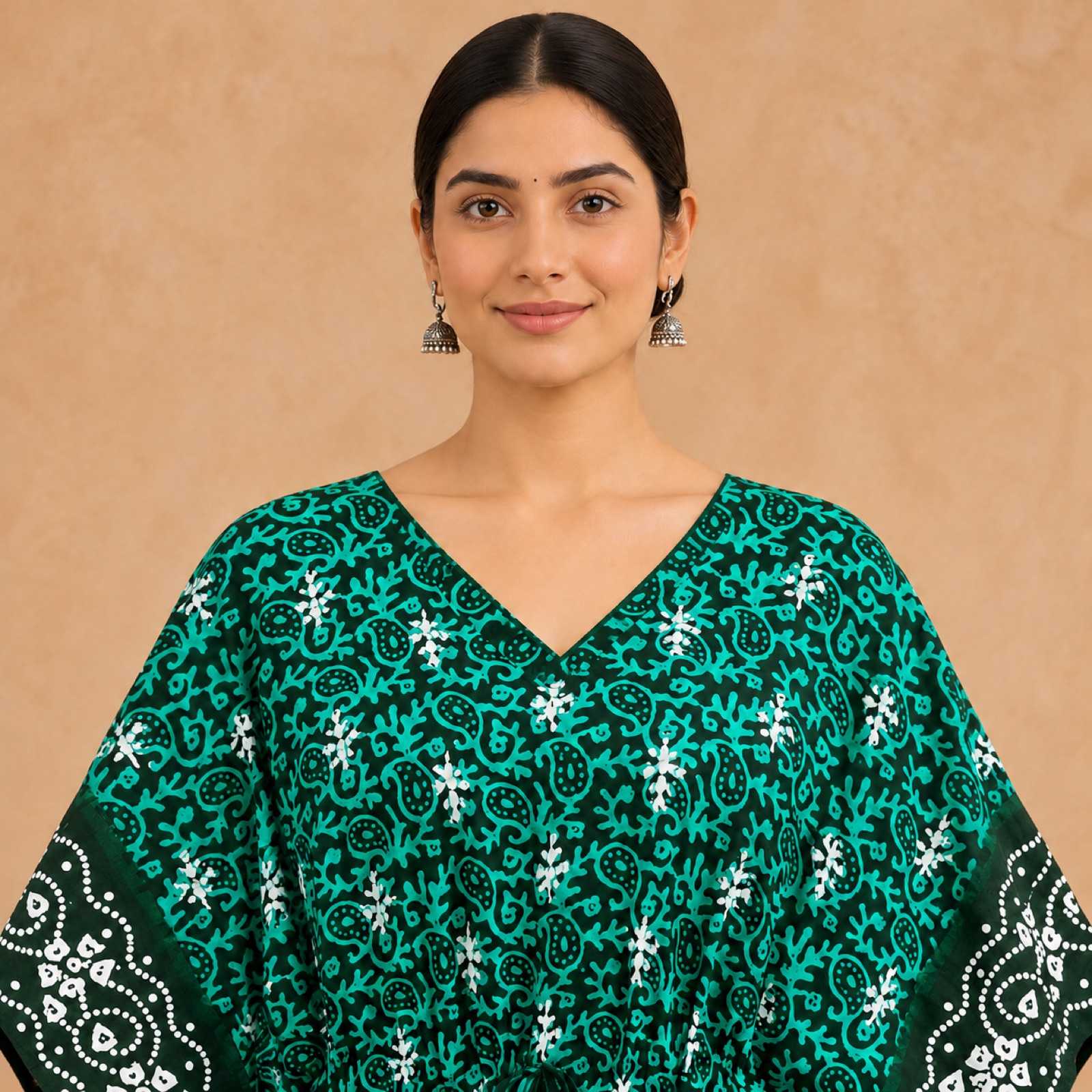
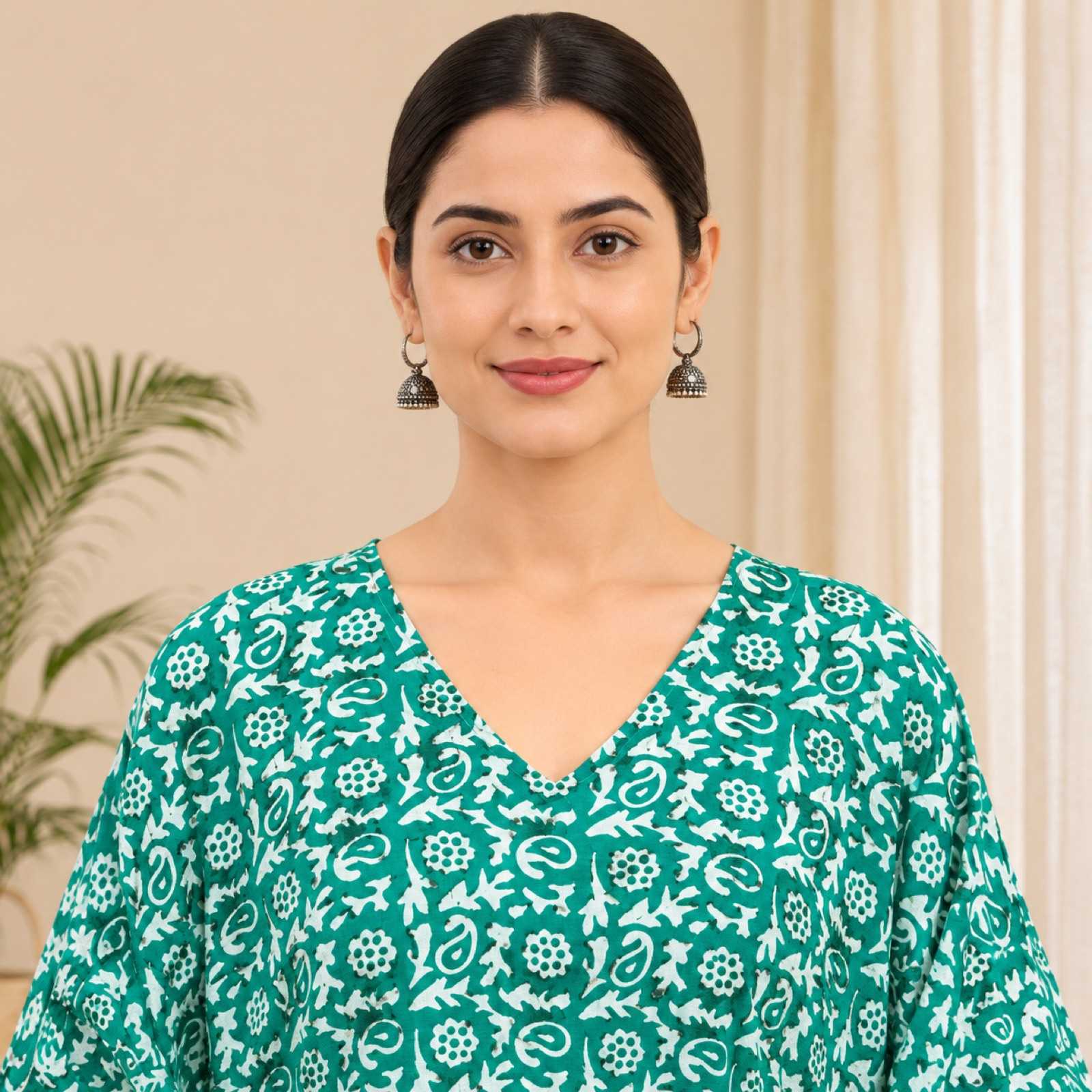
- Block print: patterns stamped by hand with carved wooden blocks, often paisleys, flowers and vines. Small variations between repeats are a sign of handwork.
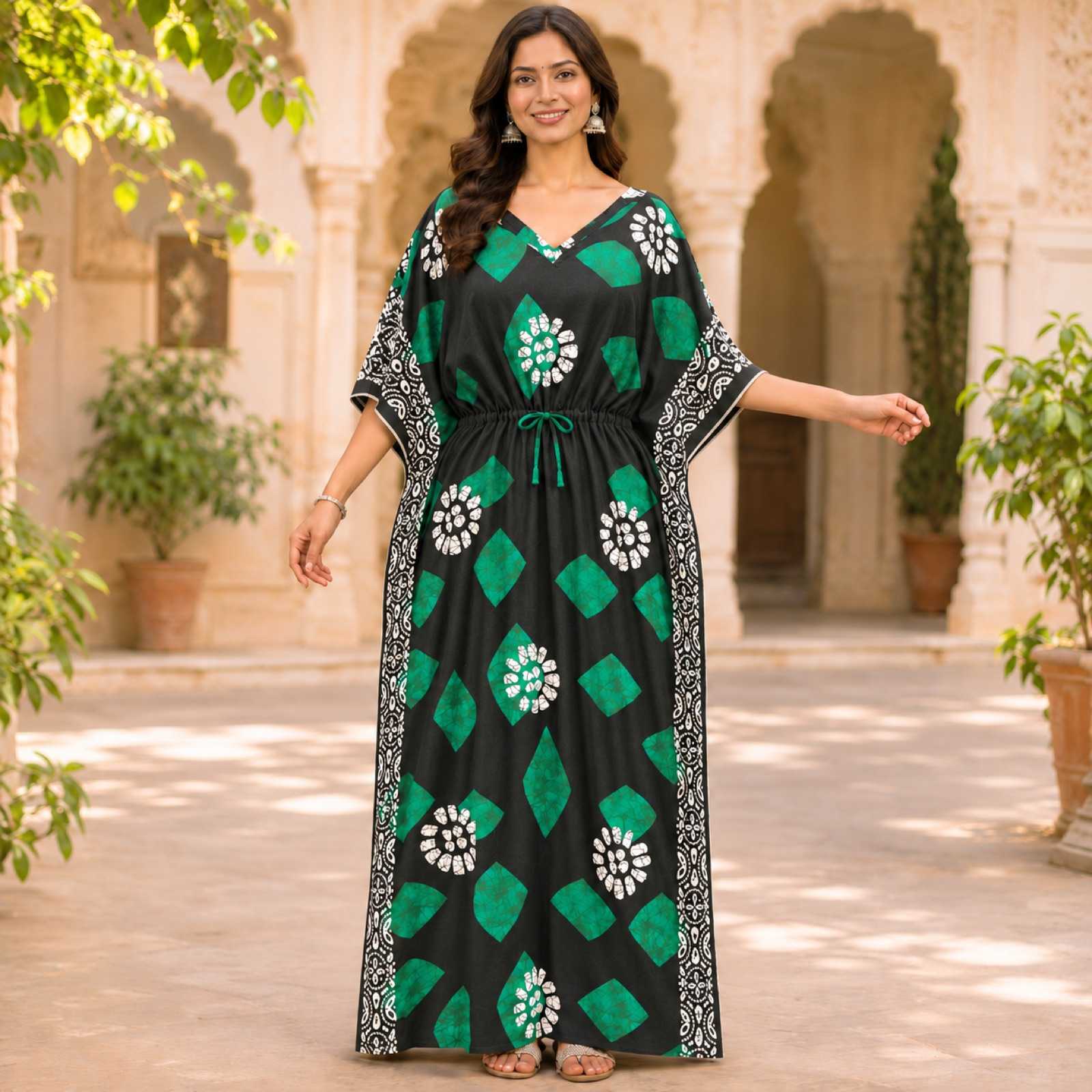
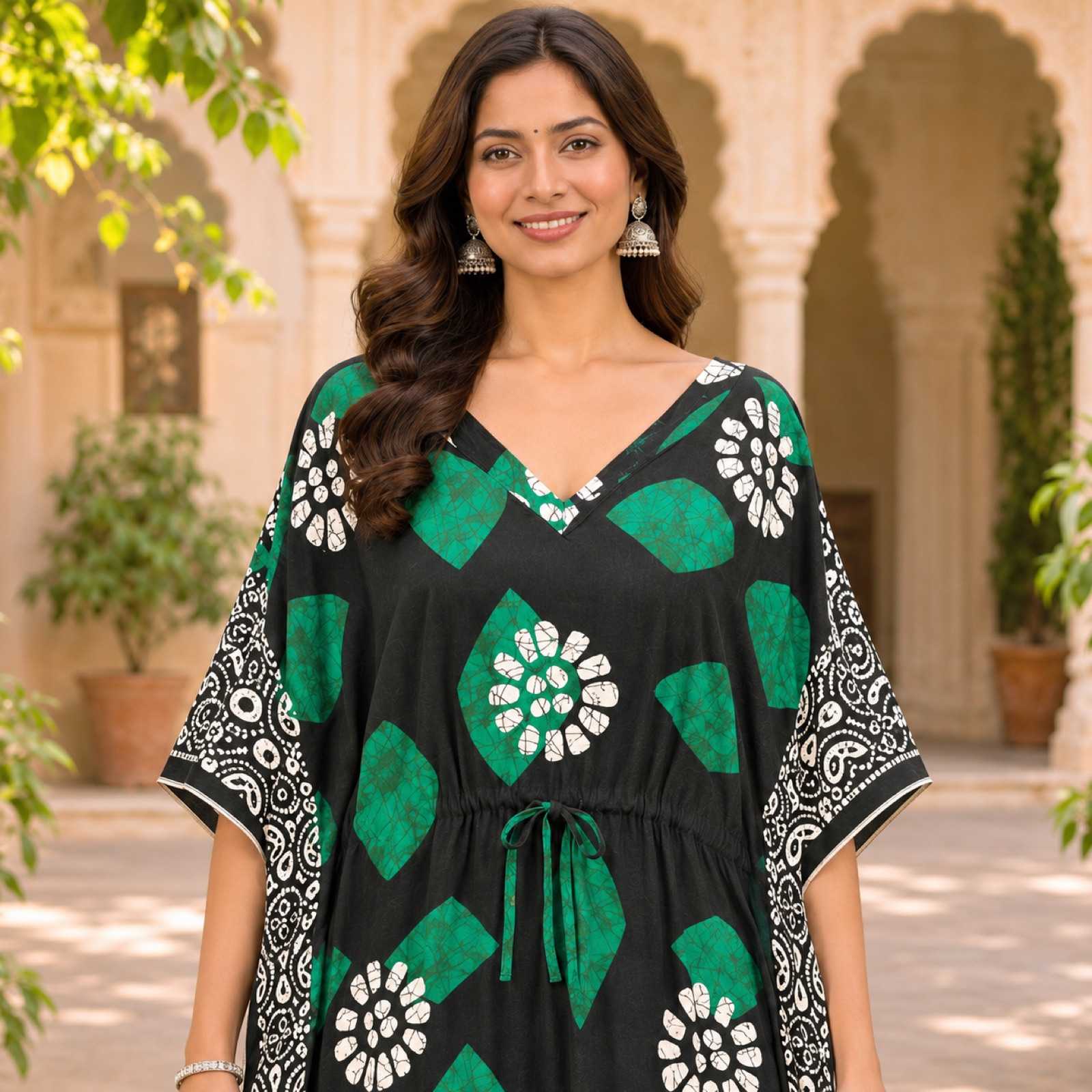
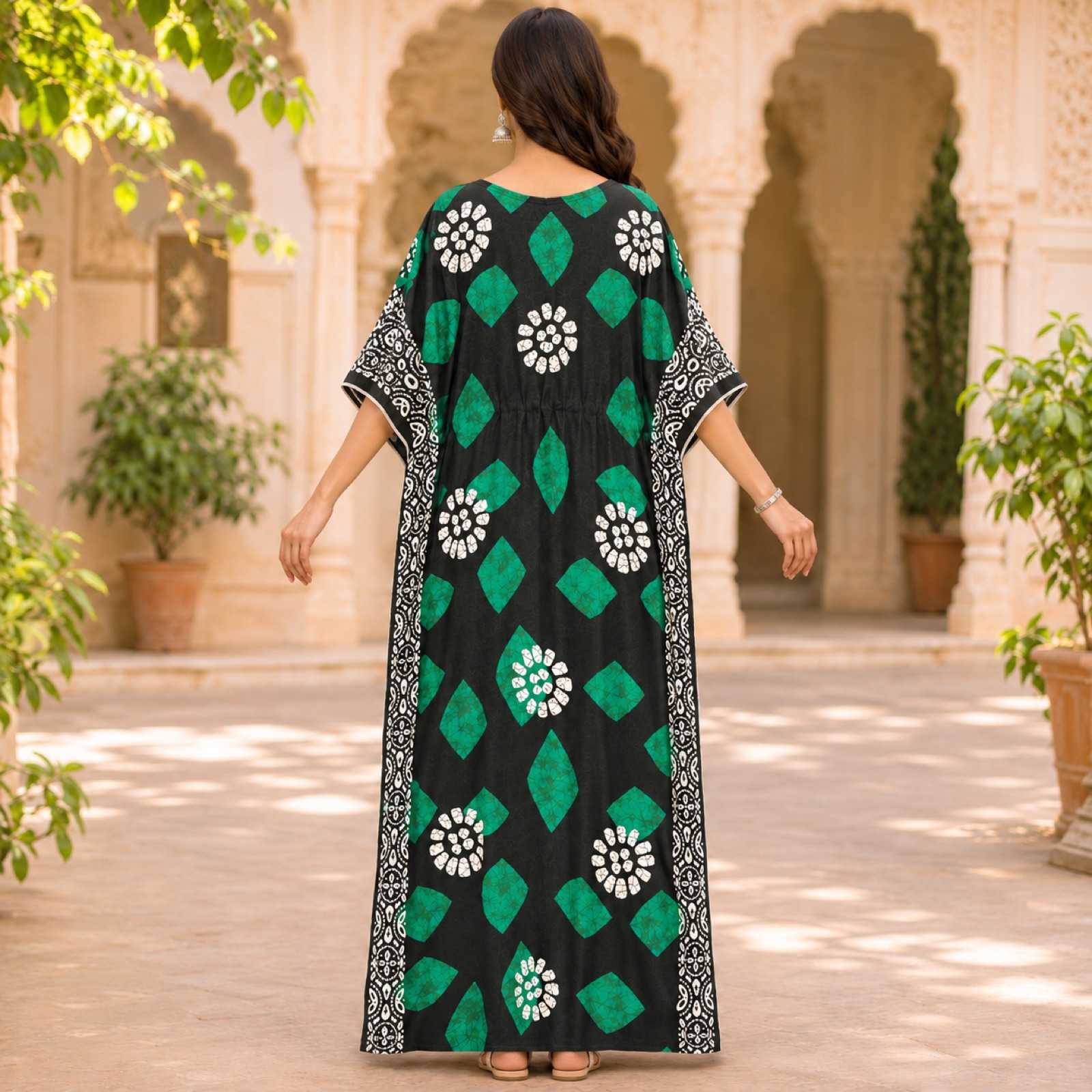
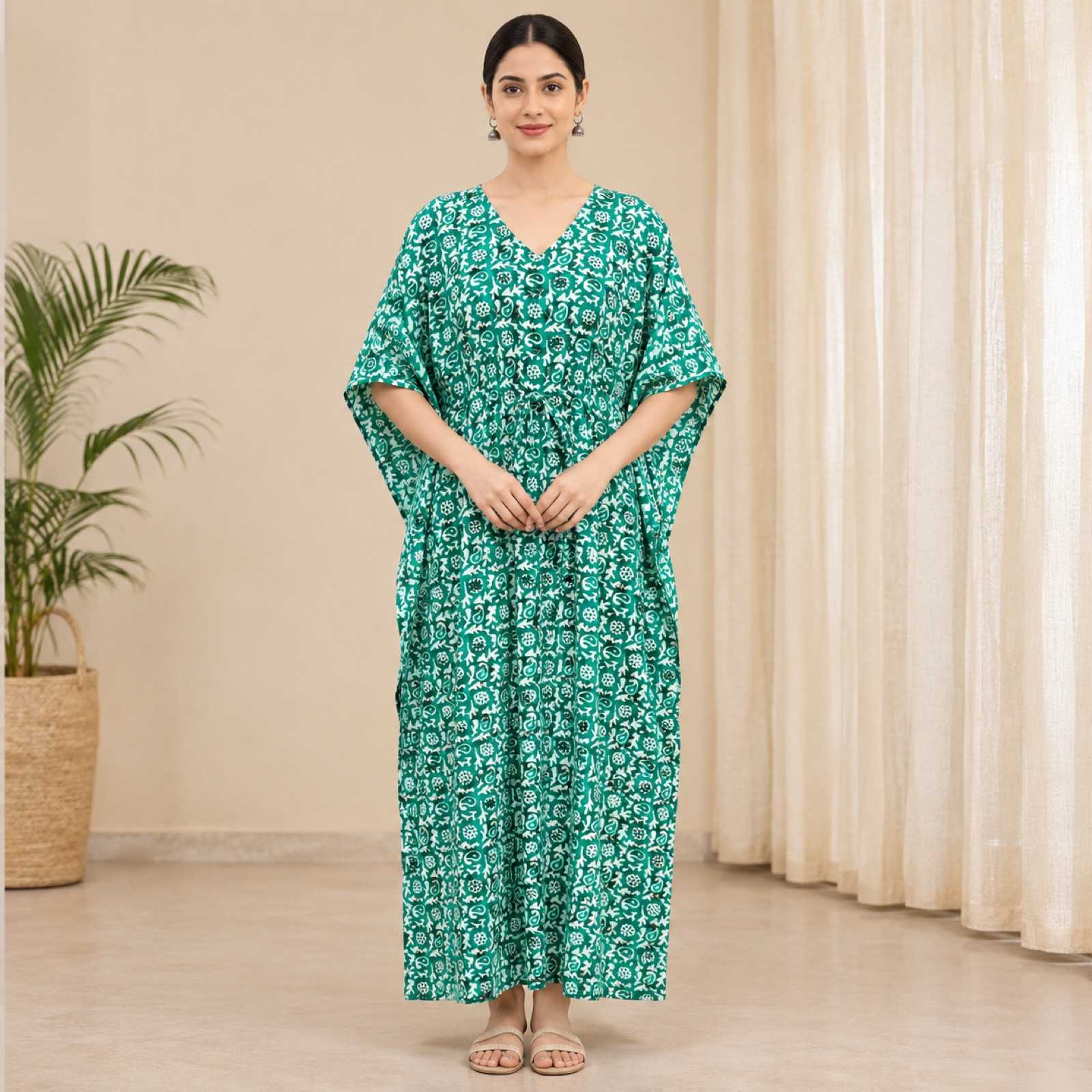
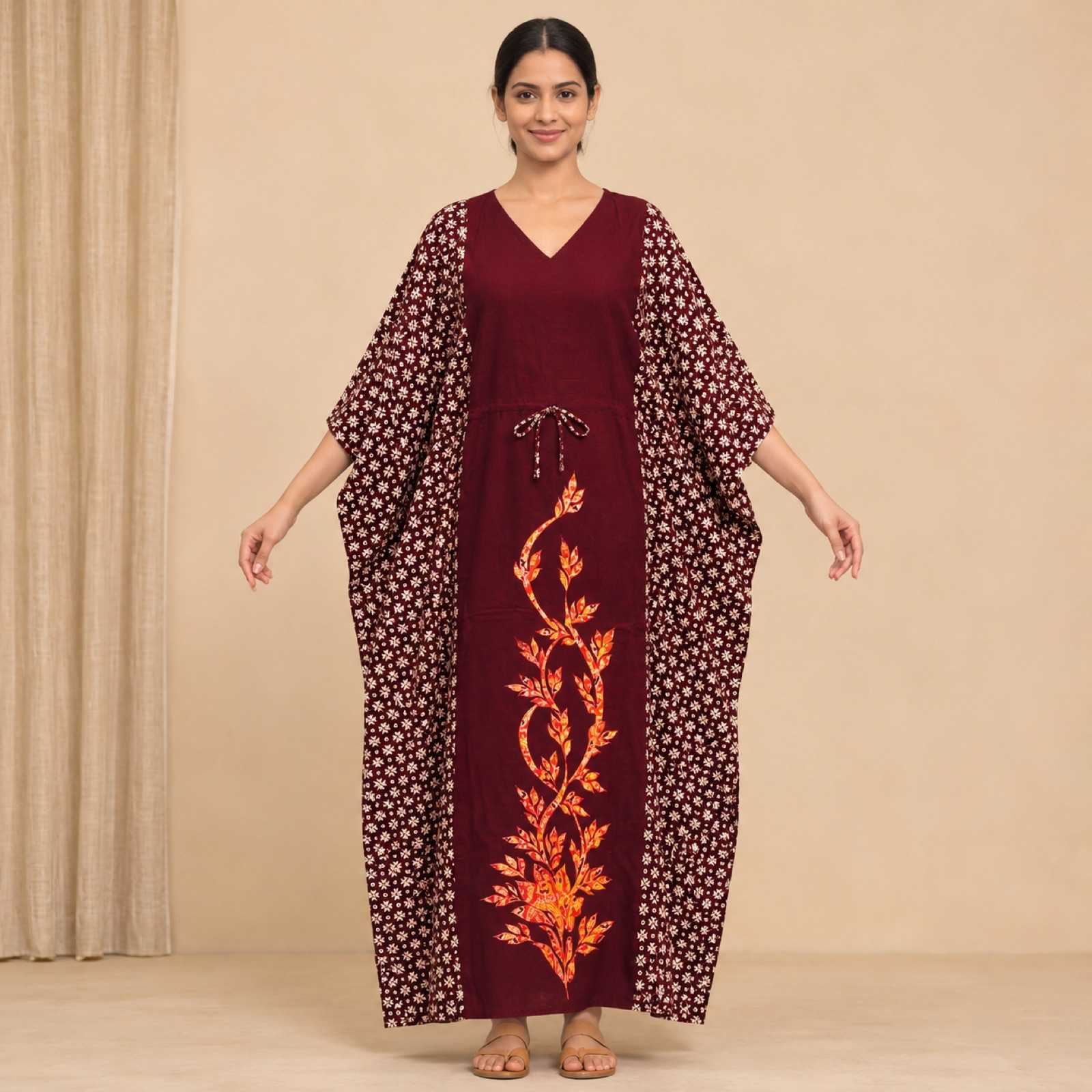
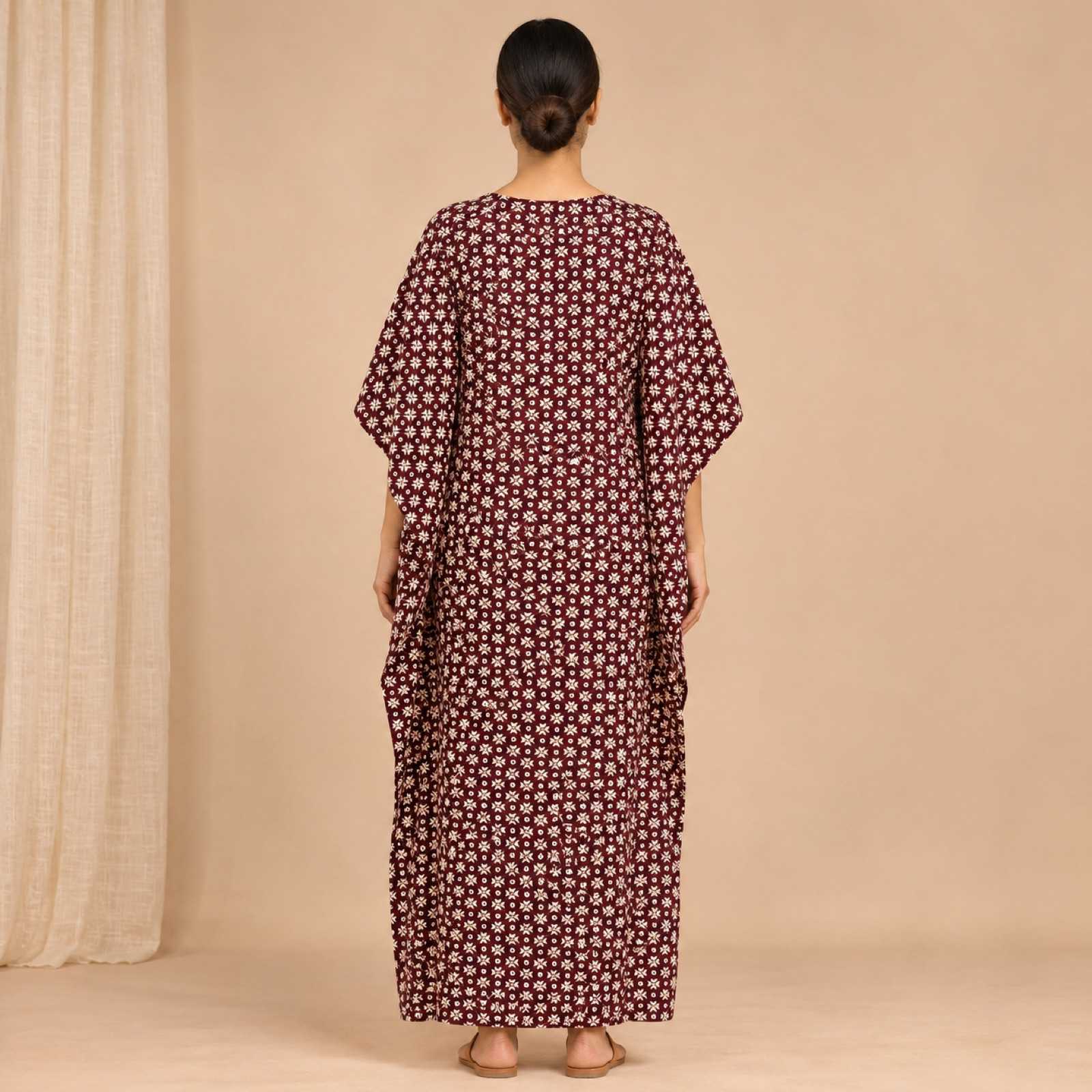
- Batik style: patterns with a 'crackled' or resist-dyed look, often in bold flowers and leaves.
- Bandhani style: tiny dots in rows or borders, inspired by the tie-and-dye craft of Rajasthan and Gujarat.
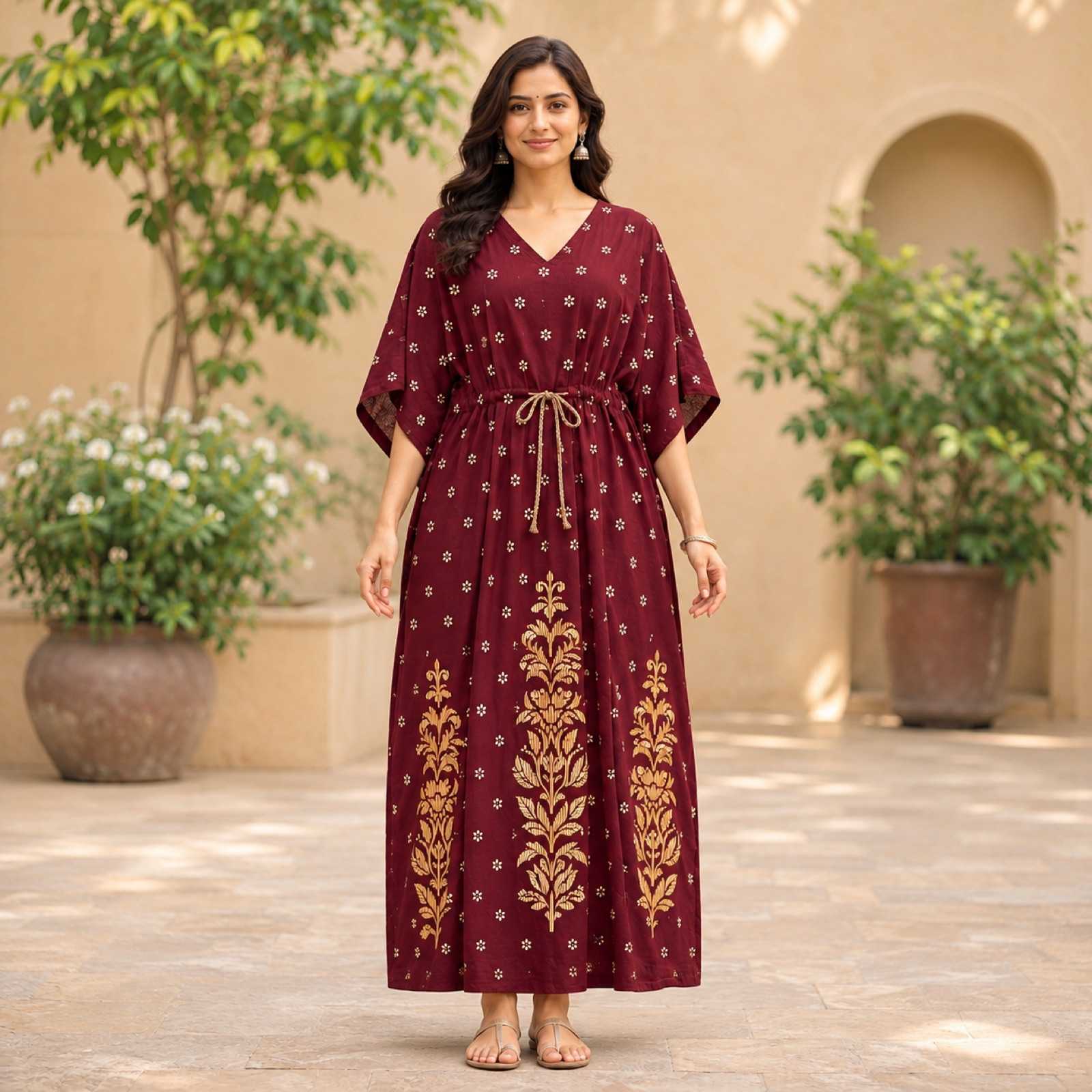
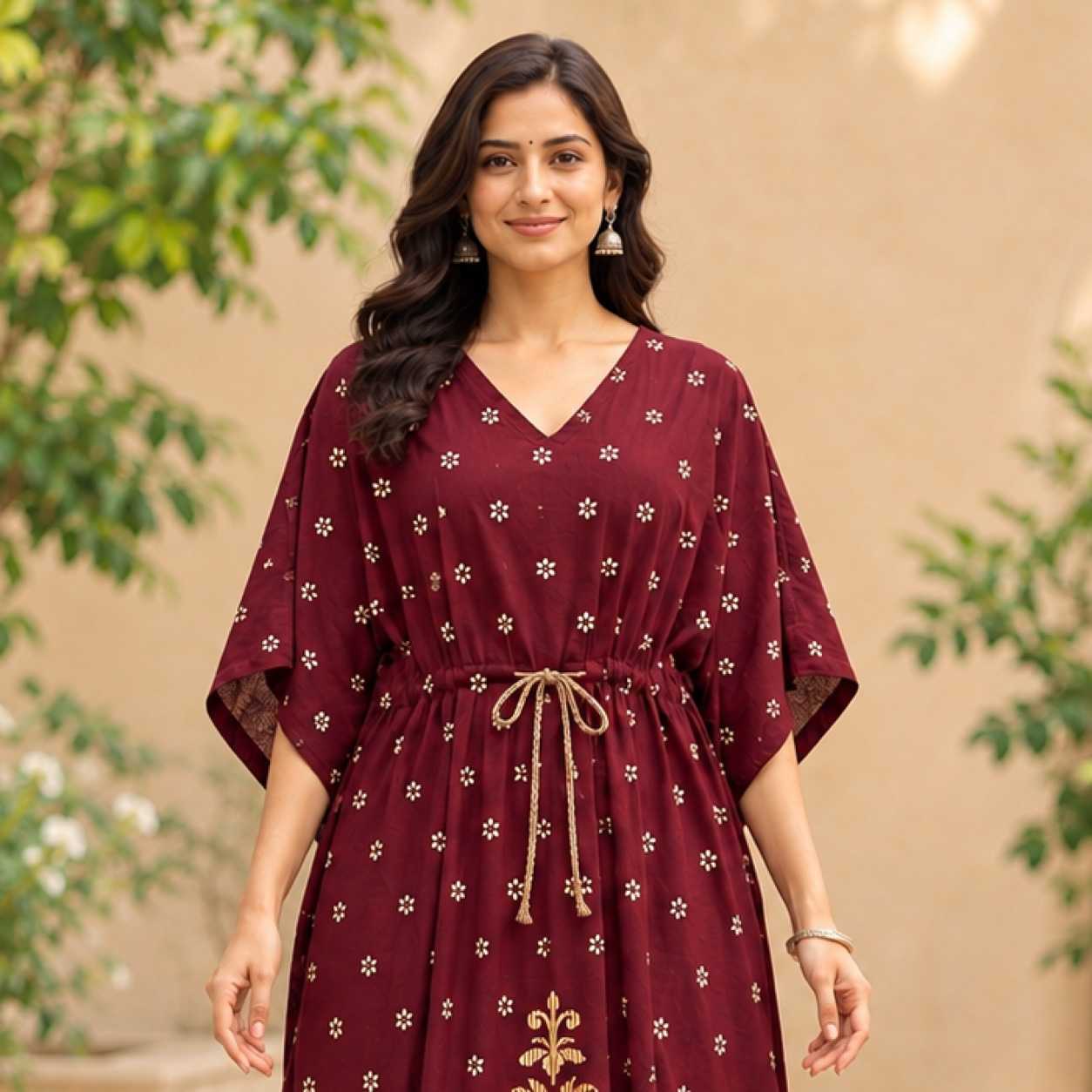
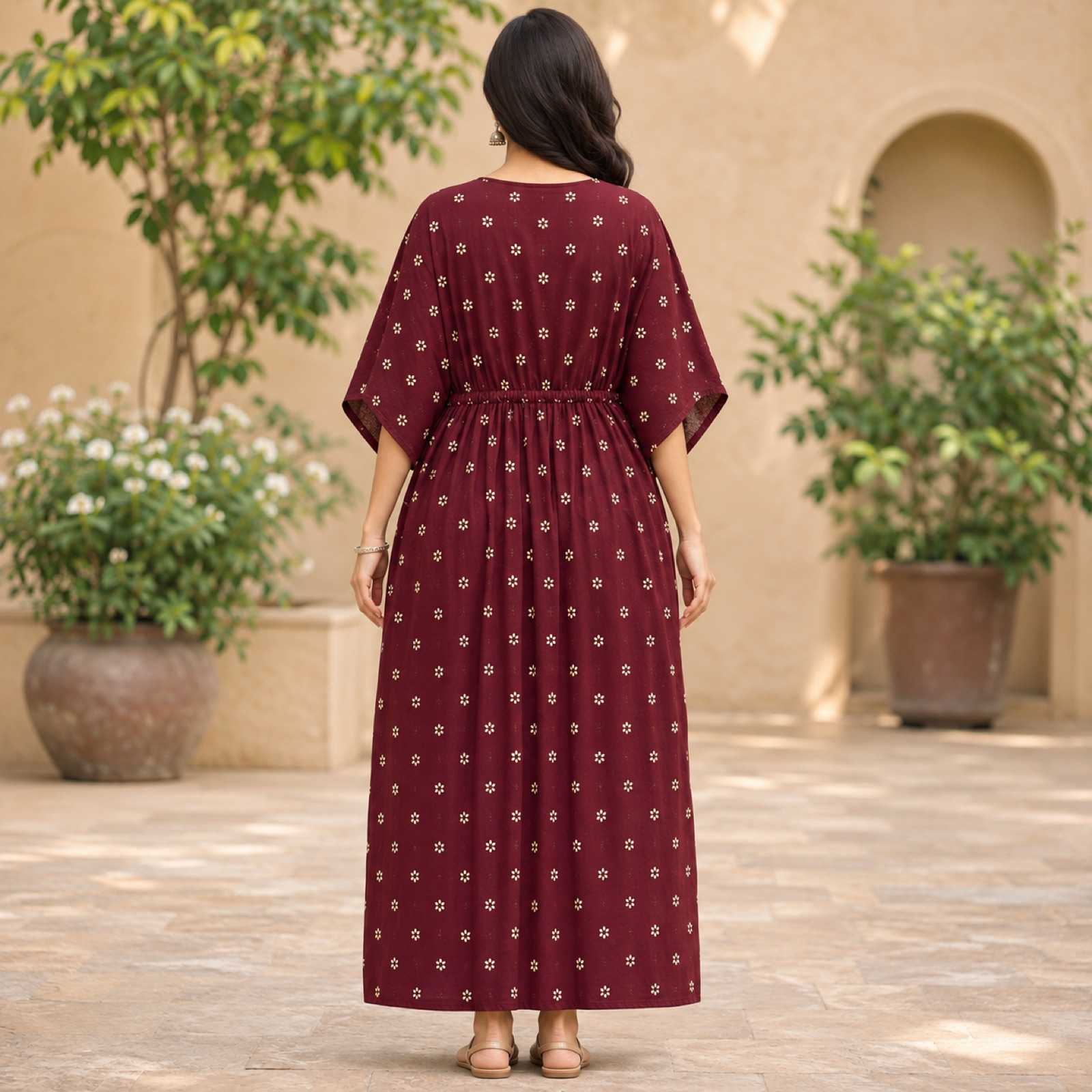
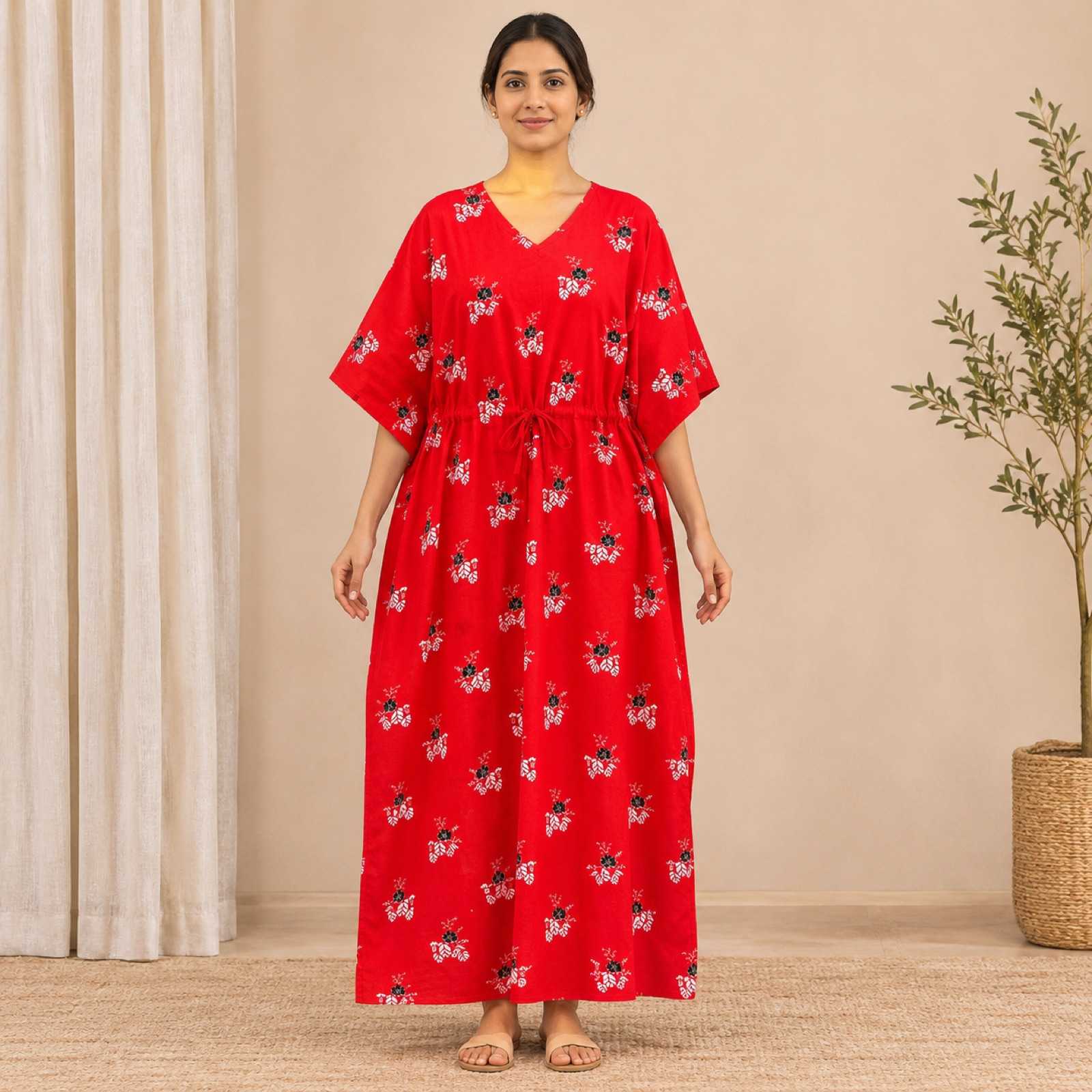
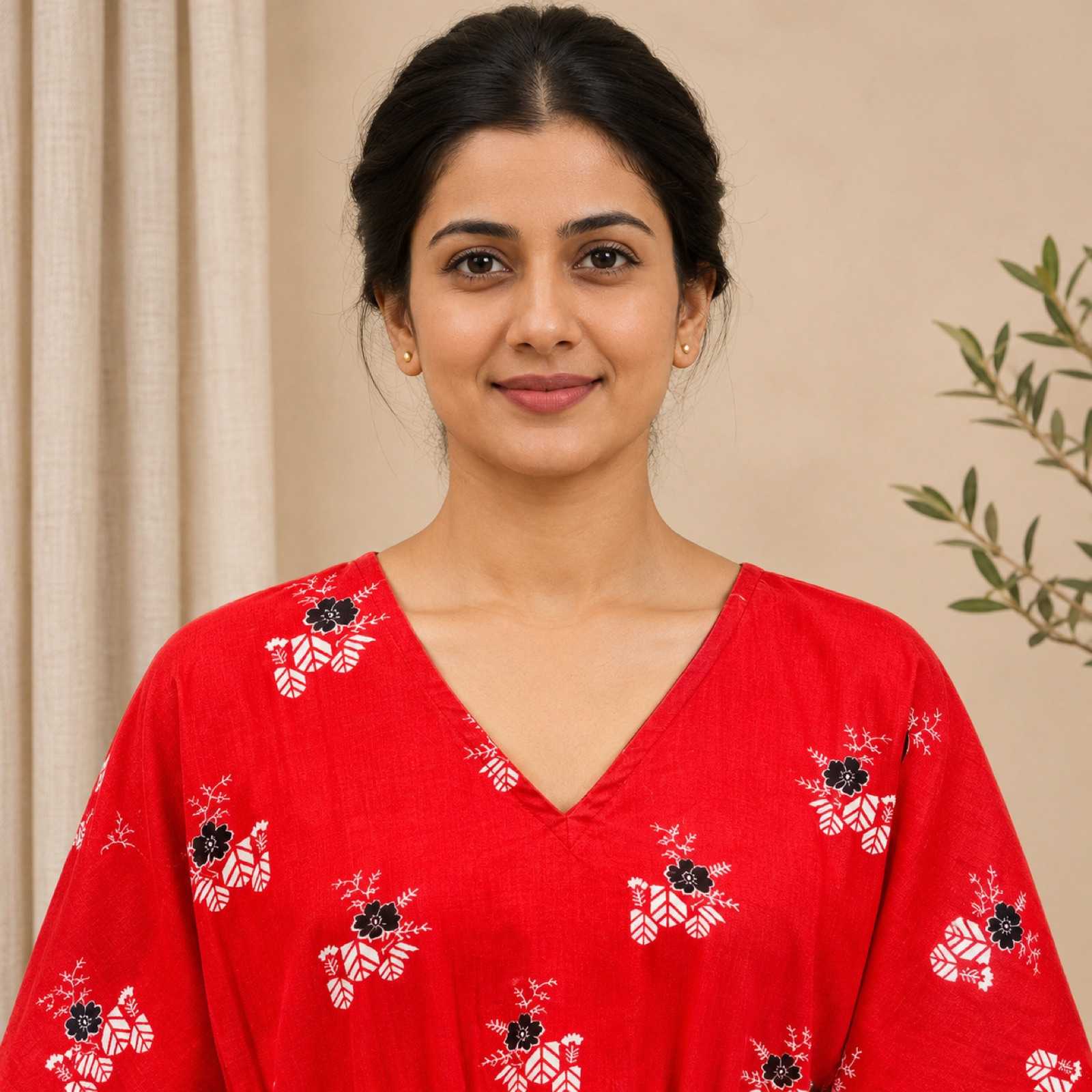
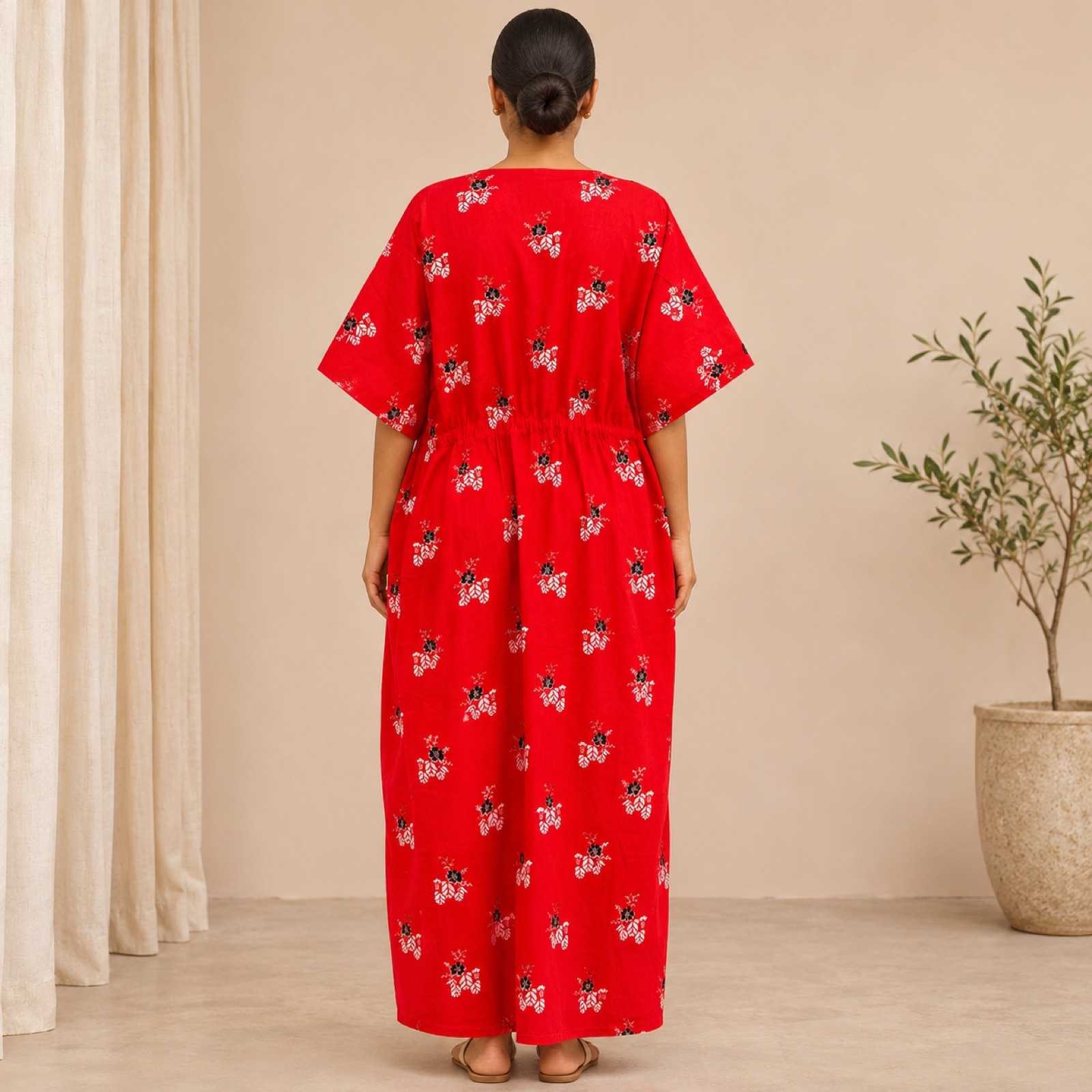
- Buti: small scattered motifs, such as little flowers, spread evenly across the fabric.
What 'free size' means
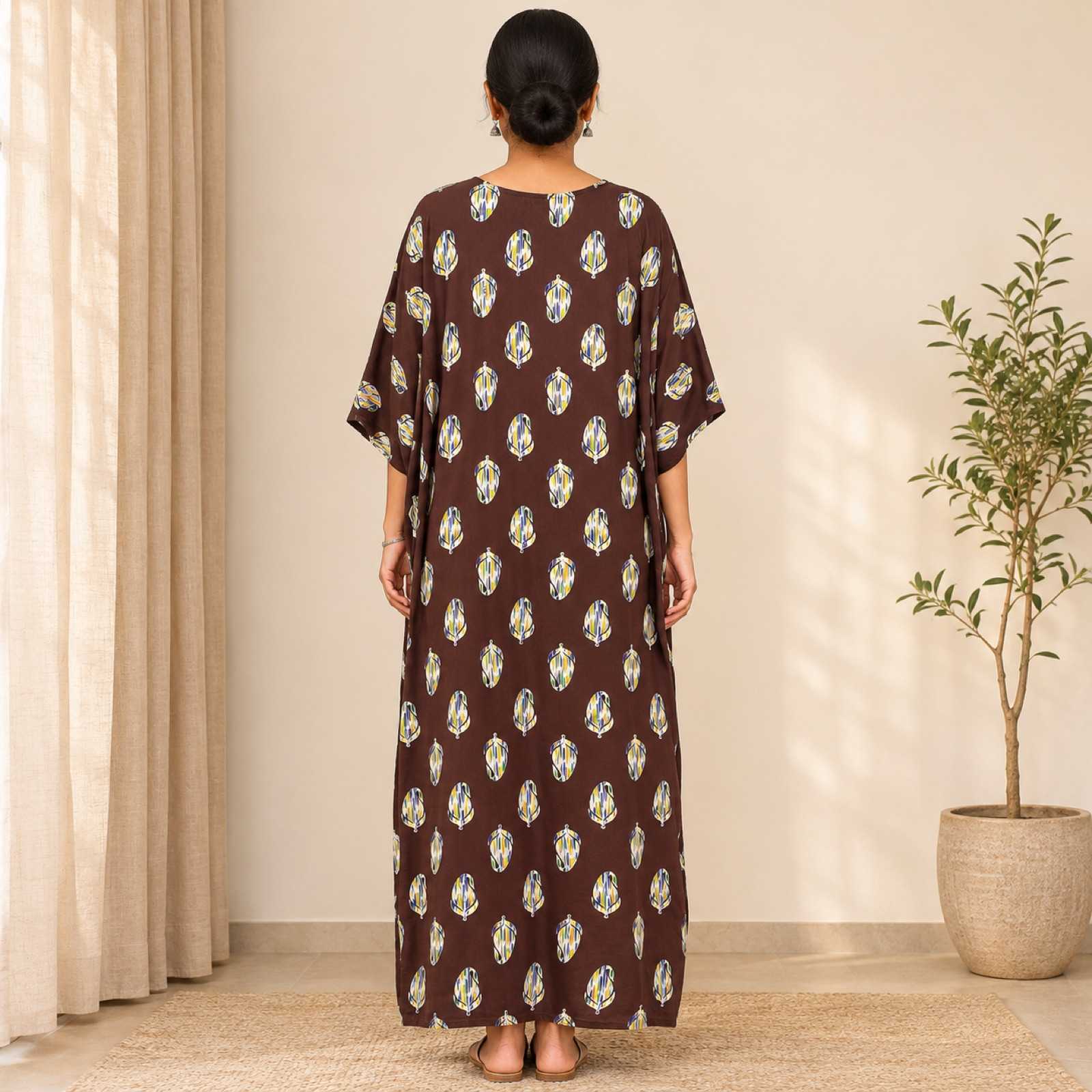
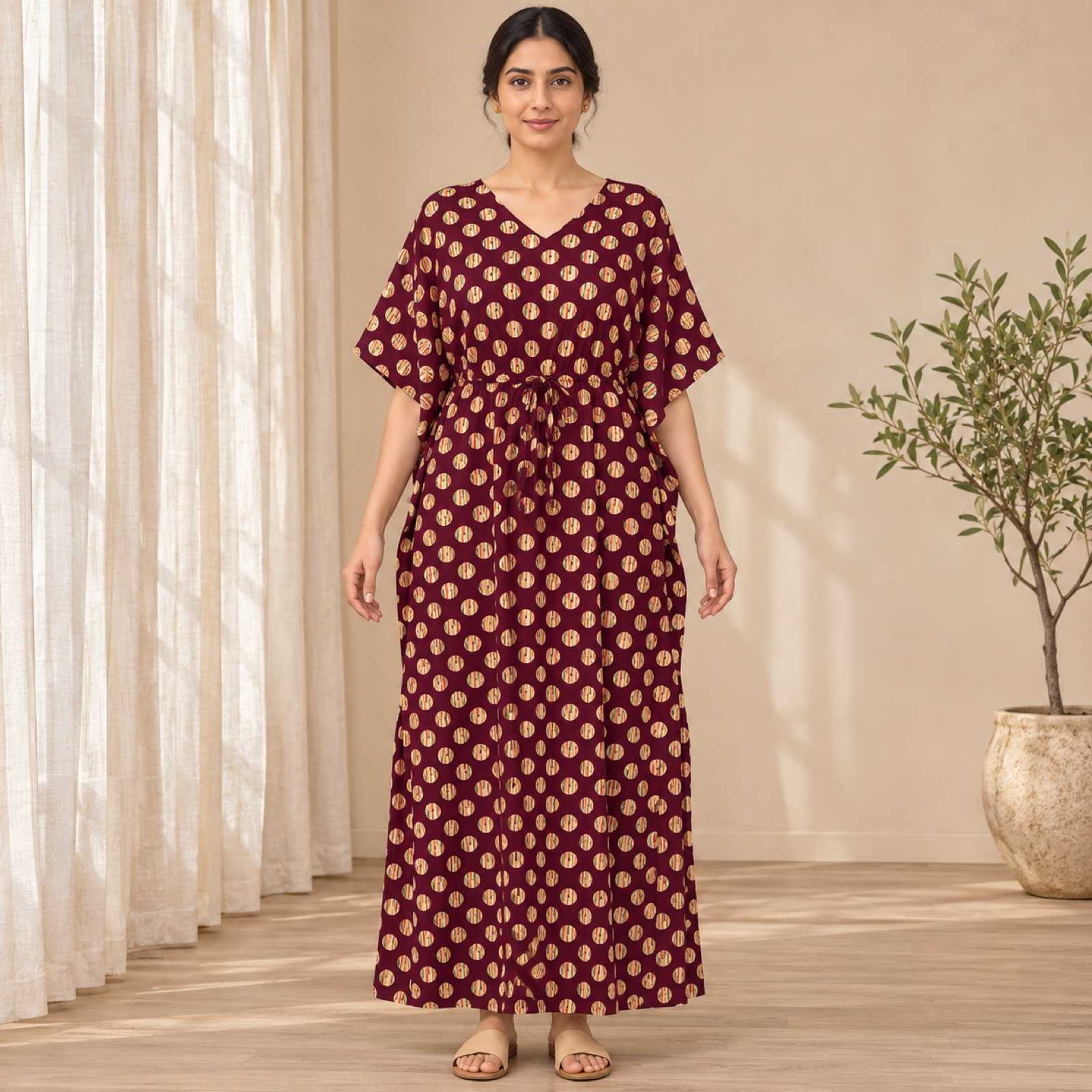
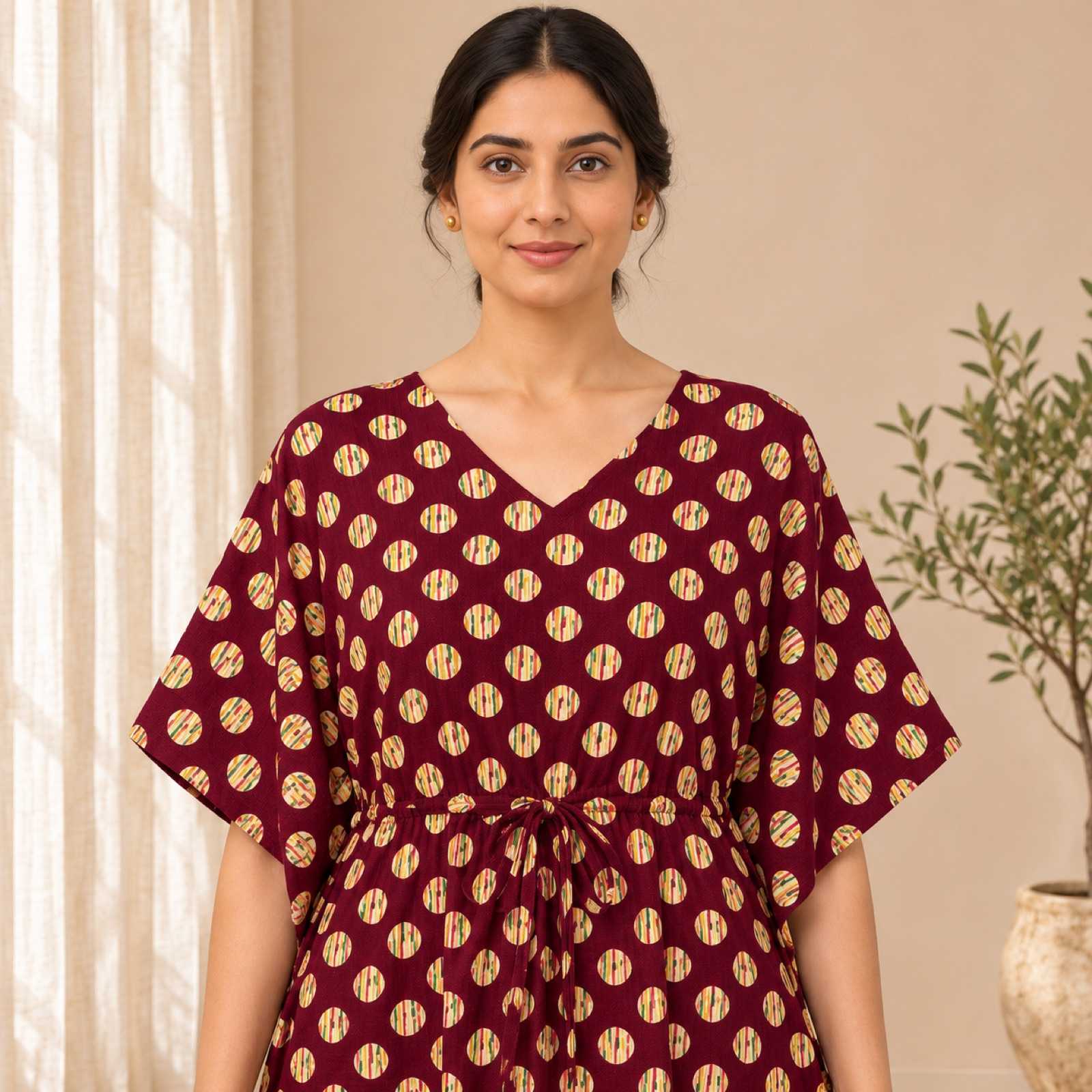
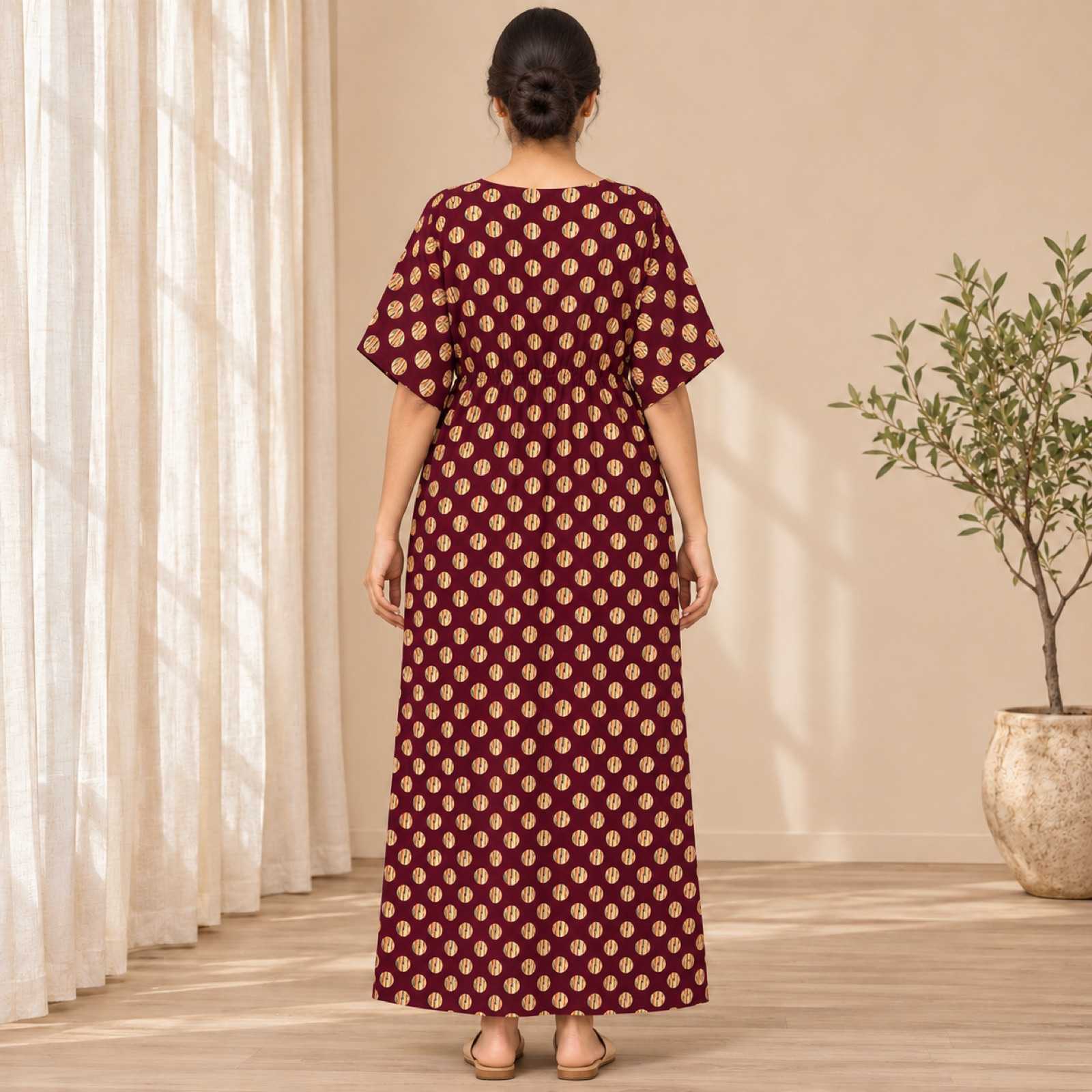
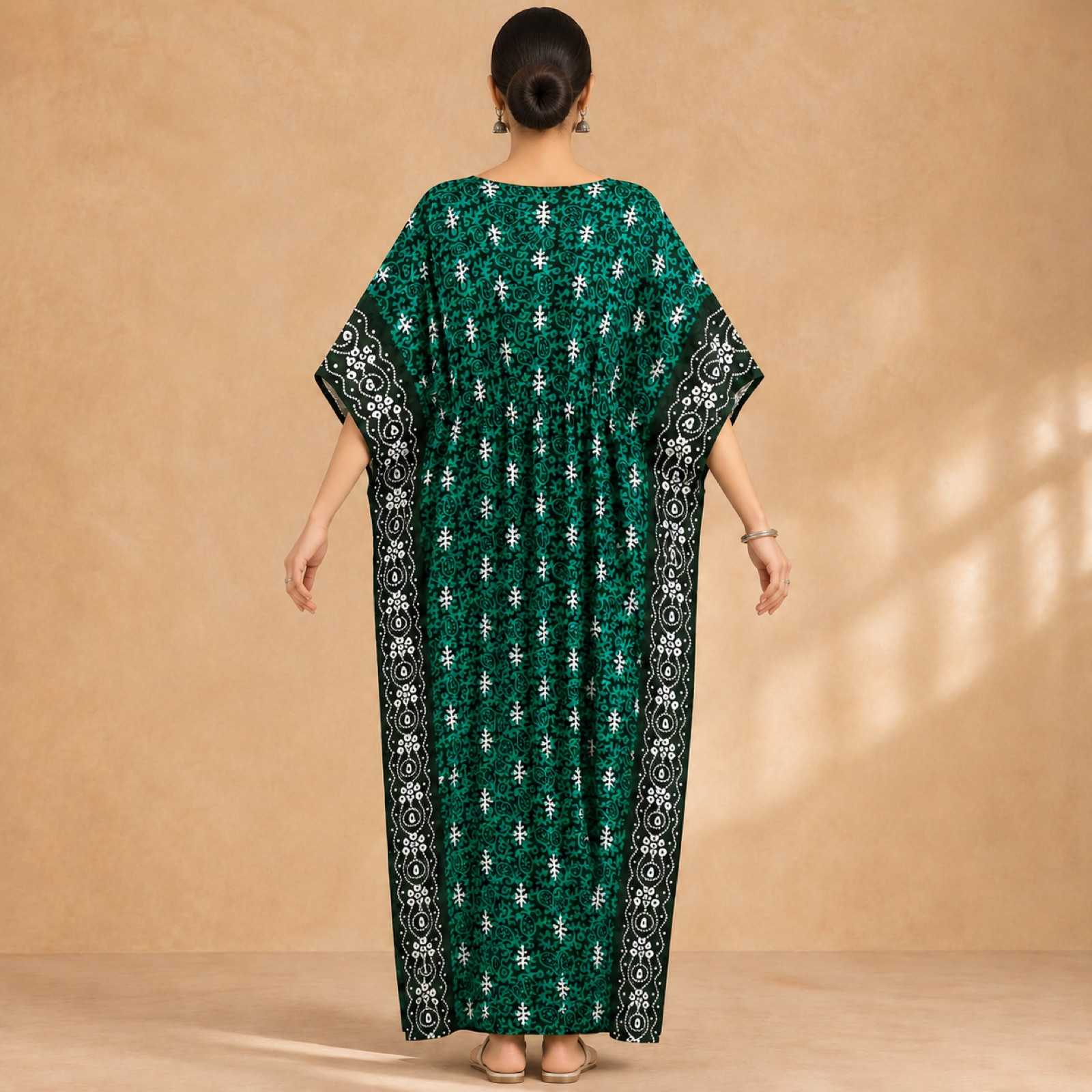
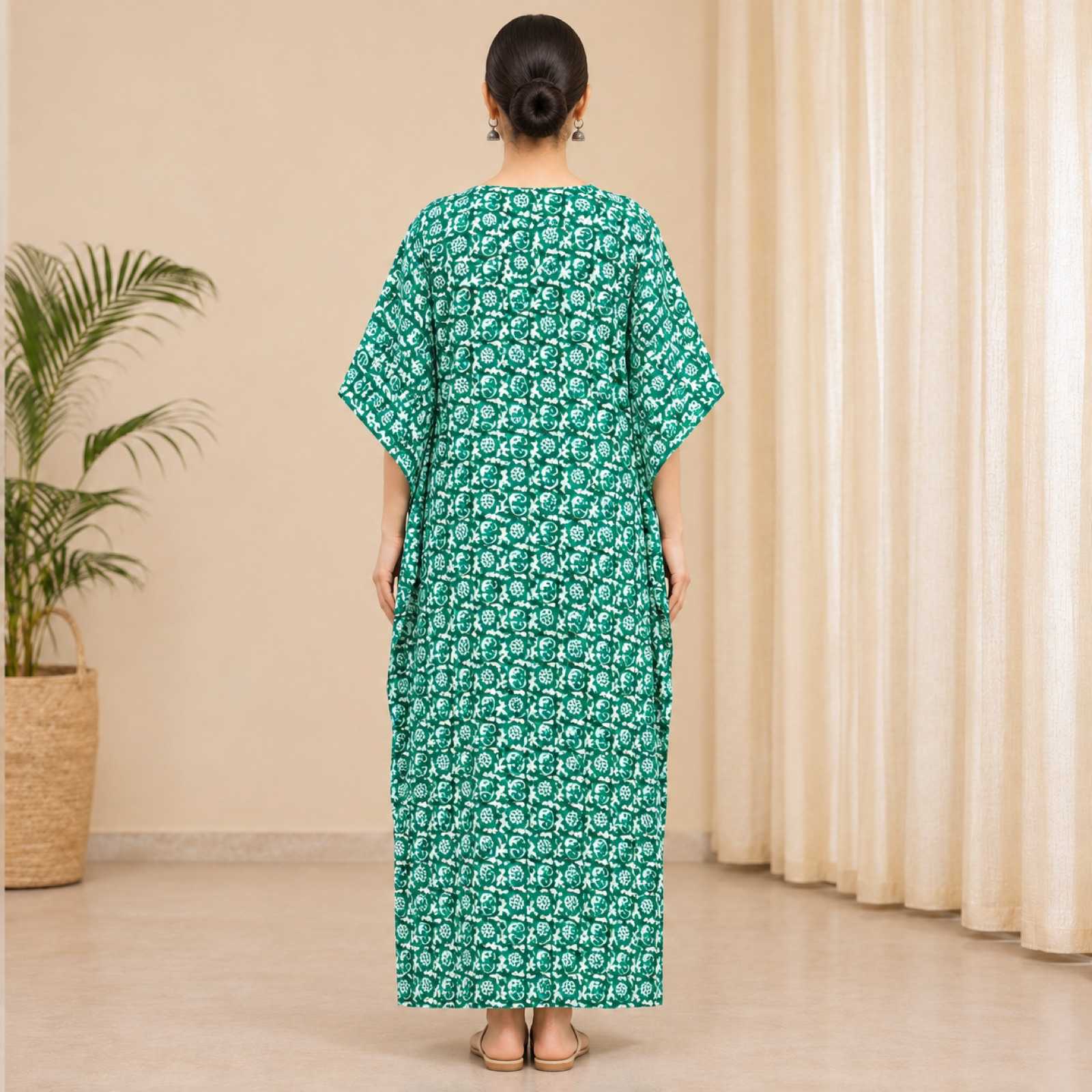
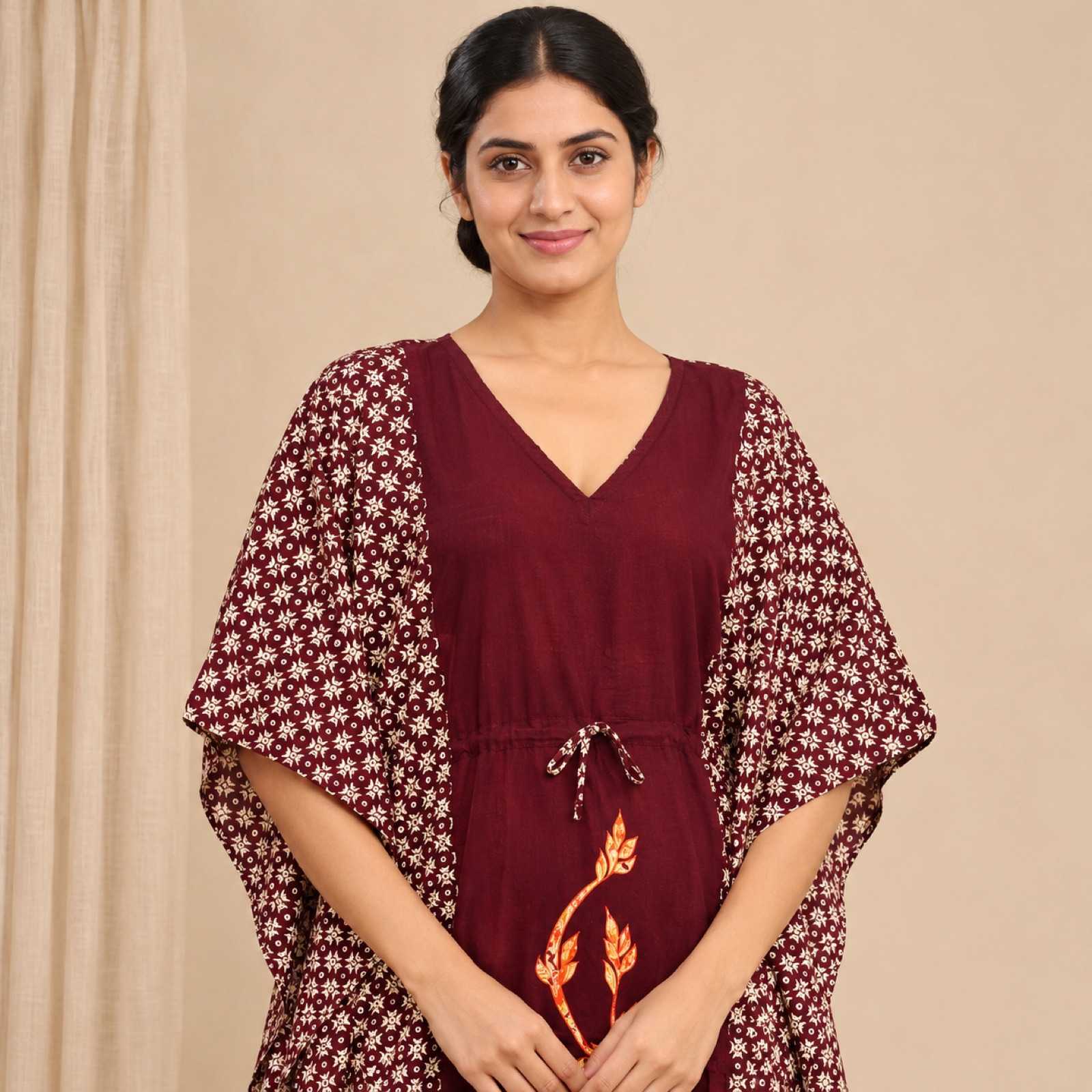
A free-size kaftan is cut wide, with deep kimono sleeves and plenty of room at the bust, waist and hips, so one size fits a wide range of bodies. A drawstring or tie at the waist lets you wear it loose, or pull it in for more shape.
Check two measurements: the length (shoulder to hem) and the chest width. If you are very tall or petite, the length matters more than the size.
Ways to wear it
- As cool summer nightwear, with nothing tight anywhere.
- As loungewear for the whole day at home, neat enough for guests.
- On holiday, as a beach cover-up or a light dress with sandals.
- Tied at the waist with the drawstring for a more fitted look when you step out.
Washing printed cotton
Hand-printed cottons can release a little colour in the first few washes. Wash them separately in cold water, don't soak them for long, turn them inside out and dry in the shade. A pinch of salt in the first wash is a traditional way to help set the colour.